
Coffee Info
-
From Pods to Beans: Exploring New Coffee Brewing Methods
Today, brewing coffee offers a rewarding experience far beyond basic drip machines. A variety of methods and tools allow anyone to craft coffee to match their unique preferences and budget, especially with quality beans like those from San Francisco Bay Coffee. Practicing different coffee brewing methods broadens your palate and makes it easy to enjoy delicious, affordable coffee at home by exploring the full range of options available in our coffee collection. How Brewing Methods Shape Your Coffee Experience A cup of coffee can be so much more than the way that it tastes. The look, temperature, and even the cup you drink from all add to the experience. With so many coffee types to choose from, picking a brewing method can help narrow down your options. Consider the space you have, your preferred temperature, and your budget as a first step. For a quick, reliable cup, a variety pack of pods might be the right fit. If you are looking for an expansive journey, an espresso machine and whole beans could pique your interest. Coffee is consumed worldwide in vastly different ways. The rise in coffee culture and the prominence of online shops, guides, and videos allow people everywhere to try coffee brewing methods like the Turkish cezve, Vietnamese phin filter, or Italian moka pot, which were previously exclusive to other countries. Coffee Brewing Methods to Try Exploring various coffee types and brewing styles doesn't require allegiance to one method. Many coffee enthusiasts switch techniques based on their schedule, mood, or location. Coffee Pods Coffee pods are perfect for busy people on the go, designed for convenience and consistency. They deliver a reliable single cup with minimal effort and virtually no cleanup. Pods are ideal for quick mornings, office setups, or anyone who values speed without sacrificing flavor. Their compact nature makes them easy to store and helps them maintain freshness, so you can sample a variety of roasts and blends without buying large quantities. Whole Beans Whole beans, like our popular Bay Bridge Blend, offer maximum freshness and flavor potential and work across nearly all coffee brewing methods. Grinding just before brewing preserves aroma and lets you tailor the grind size to your method. This level of control appeals to coffee lovers who enjoy being hands-on and experimenting with variables. Especially well-suited for espresso machines, whole beans such as our Espresso Roast let you adjust and optimize the grind based on coffee weight, pressure, and origin. They also allow you to experiment with multiple brewing methods using a single bag. Ground Coffee Ground coffee sits comfortably between convenience and control. It is compatible with many brewers and removes the need for a grinder. When stored in an airtight container, it maintains plenty of flavor and consistency. Ground coffee works especially well for drip machines, pour-overs, and the French press, allowing you to practice new brewing styles without having to choose a grind setting. A pour-over is a manual brewing method where hot water is slowly poured over ground coffee, allowing it to drip through a cone-shaped filter into a cup or carafe. The pour-over and French press are especially helpful if you like to bring coffee when traveling, where you have access to hot water but not a full setup. Specialty Brewing Methods Specialty coffee methods invite you to slow down and try something a little different from your usual routine. These unique methods turn the brewing process into part of the enjoyment. Cold brew has soared in popularity due to its smooth, low-acid profile and natural sweetness. Brewed with cold or room-temperature water over 12 to 24 hours, it yields a mellow, caffeine-rich coffee that’s easy to make in large batches, keeps well in the fridge, and adapts to serving over ice or gently warmed. The AeroPress is a compact device that uses pressure to produce a concentrated yet smooth cup with minimal bitterness. Brew time is brief, and cleanup is quick, earning it a loyal following among both travelers and home brewers. The Moka pot is a stovetop brewer originally from Italy that uses steam pressure to brew a bold-tasting espresso. It delivers rich intensity and works beautifully for those who enjoy strong coffee without investing in a full espresso machine. How to Choose the Right Brewing Method for You Finding the right coffee brewing method boils down to how you like your coffee to taste and how it fits into your daily routine. Find a balance among flavor, time, and level of involvement so you actually enjoy the brewing process. Match the method to your taste preferences If you gravitate toward clean, bright flavors with clear definition, pour-over brewing is a strong place to start. For those who prefer bold, full-bodied coffee with more texture, a French press delivers richness and weight. Espresso lovers tend to gravitate toward the bold, concentrated flavor and rich texture that comes from the high coffee-to-water ratio. Cold brew appeals to drinkers who want a smooth cup with lower acidity and gentle sweetness. Consider your time and routine Some brewing methods demand your full attention. Pour-overs and espresso require patience and a careful approach, which may not fit a tight schedule. Drip machines, coffee pods, and cold brew are more accommodating for busy routines. Selecting brewing methods that complement your routine increases the likelihood you'll use them regularly. Think about serving size Considering serving size helps reduce the time and effort it takes to make your desired quantity. Brewing for a group calls for a larger batch, such as a French press, a drip machine, or cold brew. Single cups or small servings work better for coffee pods, espresso, pour-overs, or the AeroPress. Matching the brewer to the number of people you are serving keeps the process smooth and avoids waste. Factor in equipment and cleanup Espresso machines can be fun to experiment with, but they come with a higher price tag, require counter space, and have a steeper learning curve. Manual brewers are simpler to store and clean. Fewer parts usually mean faster cleanup, which can make a big difference on busy mornings or when you are just looking for a quick cup. Shop Coffee for Every Brewing Method from San Francisco Bay Coffee Ultimately, trying new brewing methods feels a lot simpler when you can rely on one trusted source for quality coffee beans. At San Francisco Bay Coffee, we offer an excellent selection of coffee pods, ground coffee, and whole beans designed to perform well with a range of brewers. Our coffees are thoughtfully sourced and freshly roasted, making it easy to experiment without compromising on quality. _____ Resources: https://www.wired.com/story/a-guide-to-turkish-coffee/ https://www.bonappetit.com/story/vietnamese-coffee-phin https://www.seriouseats.com/moka-pot-cheap-espresso-alternative https://www.instructables.com/AeroPress-Coffee-Maker-A-Beginners-Guide/
Read article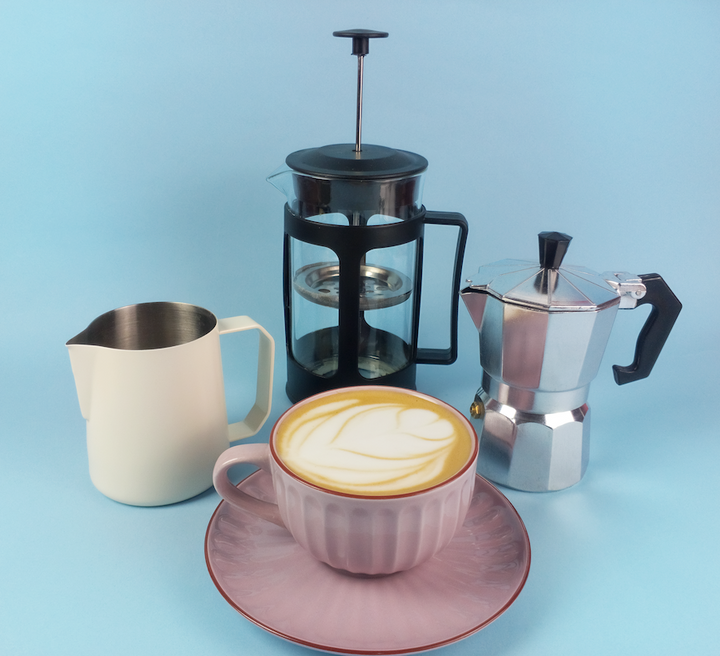
-
Coffee Resolutions 2026: Top Blends You Might Have Missed Last Year
Starting a new year often comes with the desire to refresh familiar routines, and your morning coffee is an easy place to begin. If you're curious about branching out, our variety packs are a simple way to taste different blends and find a new favorite. With approachable options for every palate, San Francisco Bay Coffee gives you everything you need to meet your coffee resolutions in 2026. If you're ready to expand your coffee vocabulary, explore different flavors, or make your daily cup feel more rewarding, this guide brings together standout blends and simple tasting tips to help you start the year with a coffee ritual that feels enjoyable. A Fresh Start for Your Coffee Routine Giving your coffee routine a little reset can be as easy as switching up one small thing. Try adjusting your brew method, exploring a new roast level, or paying closer attention to the flavors in your cup. Even switching the time of day you enjoy your coffee can make the ritual feel new again. These simple shifts can help you discover coffees you may have missed and make your everyday cup feel a bit more thoughtful. Must-Try San Francisco Bay Coffee Blends San Francisco Bay Coffee has a wide range of coffee blends that suit every flavor preference. From bright and clean notes to richer, deeper profiles, these featured selections offer a smooth way to add new energy to your morning brew. Fog Chaser Fog Chaser is a balanced mix of medium and dark roasts from Central and South America. It has a gentle richness, a smooth finish, and an easygoing profile that makes it a reliable everyday cup. French Roast With our French Roast, experience a bold, full-bodied dark roast sourced from Central and South America. It’s known for its deep flavor and smoky character, perfect for anyone who loves a stronger, more traditional coffee. Donut Shop For the perfect breakfast blend, try our Donut Shop, a medium-light roast blend from Africa and Central America. It’s bright and smooth with a soft sweetness, making it a great choice for a lighter, easy start to the day. Bay Bridge Blend Our fan favorite Bay Bridge Blend is a lively medium roast crafted from beans grown across Central America, South America, and Africa. Notes of cocoa, vanilla, citrus, and brown sugar create a well-rounded, inviting profile that works beautifully with many brew styles. Organic Rainforest Blend The smooth and approachable Organic Rainforest Blend is a medium-dark roast from across Central America. It’s flavorful without being heavy, and its organic, sustainably sourced origins make it even more enjoyable. 100% Columbian Sourced from the Antioquia region, our aromatic 100% Colombian blend is a medium roast with a smooth and flavorful finish. These premium beans are sure to please the distinct palate. Tips for Expanding Your Coffee Palate Developing a stronger coffee palate doesn’t require special training, just a little curiosity and attention to what’s in your cup. Small shifts in how you taste, compare, and brew can help you pick up flavors you may have previously overlooked. These simple tips make it easier to understand what you enjoy and why. 1. Taste Mindfully When you take your first sip, pause for a moment to determine your initial impression. Notice how the flavor shifts as the coffee cools, and what notes might linger. 2. Compare Coffees Side by Side Tasting more than one coffee at the same time helps your brain pick up flavor differences more easily. Pay attention to the roast levels, origins, brew method, or grind size, and you may start to recognize patterns. 3. Build a Flavor Vocabulary Use simple words at first, like fruity, nutty, earthy, chocolatey, bright, or smooth. As you taste more, try identifying specific notes such as citrus, berry, caramel, or spice. Check out our cupping guide to get familiar with the tasting terms that help you identify and describe different coffee flavors. 4. Switch up the Brew Method You might find that the same blend tastes different depending on your choice of brewing method. Try using a pour-over, French press, or AeroPress to see how each method highlights certain characteristics. You’ll get a better sense of how extraction affects flavor. 5. Keep a Short Tasting Journal Write down what you taste, even if you feel unsure at first. Over time, patterns will appear, and you’ll start recognizing what you enjoy. This habit also helps you remember blends you loved or want to revisit. Shop Fresh Coffee Blends for the New Year from San Francisco Bay Coffee At San Francisco Bay Coffee, we focus on the essentials: fresh beans and a relationship with the farmers who grow them. We work directly with farming communities across Africa, Central and South America, to build long-term partnerships that support fair practices and consistent, high-quality harvests. Taste the commitment to our craft with one of our customer favorite whole bean blends.
Read article
-
4 Remarkable Health Benefits of Decaf Coffee Everyone Should Know
For coffee lovers who need to limit their caffeine intake, decaf coffee offers a flavorful alternative that doesn't compromise on taste. San Francisco Bay Coffee's decaf options provide the same rich experience you love in every sip, with all the potential wellness advantages you get from your favorite daily brew. Is decaf coffee healthy? Decaffeinated coffee retains many of the same beneficial compounds found in regular coffee, minus the caffeine. At San Francisco Bay Coffee, we use the Swiss Water® Process to remove approximately 99.99% of caffeine while preserving 100% of the full flavor profile and health-supporting compounds found in regular coffee. Unlike chemical decaffeination methods, the Swiss Water® Process uses pure water and a proprietary carbon filter that traps caffeine molecules while allowing all the flavor compounds to be reabsorbed by the beans. We carefully monitor this 10-hour process, with caffeine levels measured throughout to ensure optimal results. 4 Decaf Coffee Health Benefits to Know Coffee remains one of the world's most cherished beverages, with billions of cups enjoyed daily across the globe. While many people relish the caffeine boost, others choose to reduce or eliminate caffeine from their diet. The good news is that decaf coffee retains many of the same benefits as regular coffee. Here are four healthy benefits of decaf coffee: Packed in Antioxidants Like regular coffee, decaf varieties contain antioxidants that help neutralize free radicals in the body. These antioxidants include hydrocinnamic acids and polyphenols, which may support overall wellness. Rich in Micronutrients Coffee contains trace amounts of micronutrients such as potassium, magnesium, phosphorus, manganese, folate, choline, and sodium. As with regular coffee, decaf varieties retain these beneficial compounds, contributing positively to your overall nutrient intake even in small amounts. Doesn’t Disrupt Sleep One of the most obvious benefits of choosing decaf is avoiding the sleep disruption often associated with caffeinated beverages. Enjoying a cup of decaf coffee in the evening allows you to savor the experience without worrying about uninterrupted sleep. Preserves the Joy of Coffee Perhaps one of the most important benefits of decaf coffee is the simple joy it brings to those who might otherwise have to give up coffee entirely. The ritual of preparing and savoring a cup of coffee is deeply embedded in our culture and daily routines. Decaf allows people with caffeine sensitivity to continue participating in this pleasurable ritual—whether it's morning conversations over coffee, meeting friends at a café, or enjoying a quiet moment alone with a warm cup. By preserving these cherished moments, decaf coffee supports emotional well-being without the physical effects of caffeine. Explore Decaf Coffee Options from San Francisco Bay Coffee If you're a decaf coffee drinker, you're probably familiar with the disappointment of seeing very limited options in the grocery store. The good news is that with San Francisco Bay Coffee, you have an impressive array of choices available in different formats, including OneCUP™ pods, whole beans, and grounds. Decaf French Roast One of our most popular coffees, Decaf French Roast, is sourced from Central and South America. We roast 100% Arabica beans to a deep, bold finish, creating a full-bodied coffee with a smoky finish that stands up well to milk and makes an excellent after-dinner coffee. Like all our decaf options, we use the Swiss Water® Process to ensure you get all the flavor with none of the caffeine. Decaf Gourmet Blend Our Decaf Gourmet Blend combines carefully selected 100% Arabica beans from Central and South America. This medium roast delivers a lively, well-rounded, and smooth coffee with notes of chocolate and nuts. Perfect for any time of day, this blend proves that decaf can be just as satisfying as regular coffee. Decaf Bay Bridge Blend Embark on a flavorful adventure with Decaf Bay Bridge Blend. The beans are meticulously sourced from the lush landscapes of Central America, South America, and Africa and then roasted to achieve the perfect balance of flavor and intensity. With the Decaf Bay Bridge Blend, you can enjoy a medium roast masterpiece that offers complexity without sacrificing smoothness. Decaf Espresso Roast Our Decaf Espresso Roast is a luscious, medium-dark roast made with our finest beans from Central America. The coffee is beautifully rich, complex, and full-bodied, with the intensity you expect from an espresso roast but without the caffeine. This versatile option performs excellently in espresso machines but is equally satisfying when brewed as a drip or pour-over coffee. Whatever your reasoning for choosing decaf, San Francisco Bay Coffee's selections offer quality and flavor that never feels like a compromise. Explore our collection and find your next favorite brew.
Read article
-
Coffee Brewing Ratio Recommendations by Method
You've perfected your coffee brewing technique, selected quality beans, and invested in the right equipment. Yet something still feels off about your morning cup—either too weak or too strong, or missing that perfect balance. The secret lies in mastering your coffee brewing ratio, the precise relationship between coffee grounds and water that transforms a good cup into an exceptional one. What is the Coffee Brewing Ratio? Coffee brewing ratio refers to the specific proportion of coffee grounds to water used during the brewing process. Typically expressed as a ratio like 1:15 (1 gram of coffee to 15 grams of water), this measurement serves as your roadmap to consistent, flavorful coffee. Research conducted at the UC Davis Coffee Center has demonstrated that even small changes in brewing ratios can dramatically alter the flavor profile of your final cup, affecting everything from sweetness and acidity to bitterness and overall strength. Understanding the coffee brewing ratio is fundamental because it directly controls the extraction process—how much flavor, aroma, and compounds are pulled from the coffee grounds into the water. When you master this relationship, you can dial in your perfect cup with scientific precision rather than relying on guesswork. Why Does the Coffee Brewing Ratio Matter? The coffee brewing ratio is the foundation for extraction control, determining your finished coffee's strength and flavor balance. When your ratio is off, you'll immediately taste the difference. Too much coffee relative to water creates an over-extracted, bitter cup that masks the subtle flavors you want to enjoy. Too little coffee results in under-extraction, producing weak, sour, or grassy notes that leave you with a disappointing morning cup of sadness. The UC Davis Coffee Center's extensive sensory research involving over 58,000 data points confirms that achieving the right coffee brewing ratio is essential for unlocking the full flavor potential of your beans. The beauty of mastering brewing ratios lies in their consistency. Once you discover your preferred balance, you can recreate that perfect cup every single time, transforming your daily coffee ritual from hit-or-miss to reliably excellent. For more foundational brewing guidance, explore our comprehensive guide on how to make a perfect cup of coffee. Recommended Ratios by Brew Method Different brewing methods require distinct coffee brewing ratio approaches due to variations in extraction time, water temperature, and contact between grounds and water. Here are the optimal ratios for each popular method: Drip Coffee For automatic drip coffee makers, aim for a 1:15 to 1:17 ratio. This translates to approximately 15-17 grams of water per gram of coffee, or about 0.5 ounces (15 grams) of coffee for every 8 ounces (250ml) of water. The consistent water temperature and steady extraction time of drip methods work best within this range, producing a balanced cup that highlights your coffee's natural characteristics without overwhelming bitterness. French Press French press brewing benefits from a slightly stronger 1:12 to 1:15 ratio due to the longer steeping time and coarser grind. Use about 1 gram of coffee for every 12-15 grams of water. The immersion method allows for more complete extraction, so this coffee brewing ratio prevents over-extraction while maximizing the rich, full-bodied flavor that French press enthusiasts love. Pour-Over Pour-over methods like Chemex or V60 perform optimally with a 1:16 to 1:17 ratio. The controlled pouring technique and paper filtration require this precise balance to achieve the clean, bright flavors that make pour-over coffee special. This ratio allows the gentle extraction process to highlight subtle flavor notes while maintaining proper strength. Cold Brew Cold brew requires a much stronger 1:4 to 1:8 ratio due to the extended steeping time and room temperature water. Use 1 gram of coffee for every 4-8 grams of water, depending on whether you prefer concentrate or ready-to-drink strength. The long extraction time compensates for the lack of heat, creating the smooth, low-acid profile that cold brew lovers appreciate. Espresso Espresso demands precision with a 1:2 to 1:3 ratio, using 1 gram of coffee for every 2-3 grams of water. This concentrated method relies on pressure and fine grind to achieve quick extraction, making the coffee brewing ratio critical for balancing the intense flavors without overwhelming bitterness or sourness. Key Points Summary: • Ratios are expressed as coffee to water (1:15 means 1g of coffee to 15g of water) • Stronger ratios use more coffee relative to water • Each brewing method requires specific ratio ranges for optimal extraction • Consistency in measurement leads to consistent results • Small adjustments can make a big difference in taste H2: Browse Coffee Varieties from San Francisco Bay Coffee Ready to implement these coffee brewing ratio recommendations? The quality of your beans plays a crucial role in achieving exceptional results, no matter which ratio you choose. San Francisco Bay Coffee offers carefully selected, responsibly sourced coffee varieties that shine when brewed with proper ratios. Whether you prefer the bright complexity perfect for pour-over brewing or the rich body that excels in French press, choosing the right variety enhances your brewing experience. What brewing method will you perfect first, and which coffee variety are you excited to explore? Visit our complete coffee collection to discover your next favorite. Don't hesitate to experiment with different ratios to find your personal preference. Remember, the perfect cup is the one that brings you the most joy each morning. If you have questions about brewing techniques or need help selecting the ideal coffee for your preferred method, contact our coffee experts. They are passionate about helping you achieve brewing excellence. Resources: https://sca.coffee/sca-news/25/issue-13/towards-a-new-brewing-chart https://sfbaycoffee.com/blogs/articles/how-to-make-a-perfect-cup-of-coffee
Read article
-
Cozy Autumn Coffee Ideas That Go Beyond Pumpkin Spice
When the first crisp morning signals fall's arrival, there's nothing like wrapping your hands around a warm mug of cozy fall coffee. Pumpkin spice may dominate coffee shop menus from September through November, but autumn offers many more flavor possibilities worth exploring. Our San Francisco Bay Coffee team loves discovering new ways to celebrate the season in every cup, and we're excited to share some favorites that capture fall's warmth without relying on that familiar orange spice blend. Why Autumn Is the Perfect Season for Cozy Coffee Fall naturally draws us toward comforting rituals. As daylight hours shorten and temperatures drop, our morning coffee provides a moment of genuine comfort. The season's earthy spices beautifully complement coffee's natural complexity, while sweet additions like maple and brown sugar balance its natural acidity. There's also something special about the slower pace autumn encourages. Summer's iced coffee, grabbed on the go, gives way to leisurely Saturday mornings spent perfecting the pour-over technique. Cozy autumn coffee captures this shift, turning your morning brew into a small celebration of the season's simple pleasures. Warm & Comforting Coffee Flavors for Fall Maple and Brown Sugar Real maple syrup brings a complexity that artificial sweeteners can't match. The caramelized notes in maple complement coffee's deep flavors, while brown sugar adds molasses undertones that deepen the overall taste. Start with a teaspoon of maple syrup stirred into your hot coffee, then add a light sprinkle of brown sugar for an extra hint of sweetness. Cinnamon and Nutmeg Adding cinnamon directly to your coffee grounds before brewing releases aromatic oils into your coffee pot. Use about 1/4 teaspoon per 2 tablespoons of ground coffee for a subtle warmth. Nutmeg is slightly different: its delicate flavor shines best when freshly grated over foam or whipped cream. Cinnamon and nutmeg create layers of spice without overwhelming coffee's natural character. Caramel and Toffee Homemade caramel sauce transforms ordinary coffee into something special. The buttery sweetness of caramel softens coffee's bold edges, while toffee adds a hint of burnt sugar complexity. For your coffee, stir a tablespoon of caramel or toffee sauce into hot coffee, top with whipped cream, and add a drizzle of sauce. The contrast between bitter coffee and sweet caramel creates the perfect balance. Hazelnut and Pecan Nutty flavors have a natural affinity with coffee because they share similar roasted, earthy notes. Hazelnut brings a sweet, buttery quality, while pecan adds richness without being heavy. Try toasting whole nuts and dropping a few into your coffee as it brews, or add a splash of quality hazelnut or pecan syrup to your finished cup. The result feels indulgent without masking your coffee's character. Dark Chocolate and Mocha Quality dark chocolate elevates coffee rather than competing with it. Melt an ounce of 70% cacao chocolate into hot coffee, stirring until dissolved. The bitterness in dark chocolate enhances coffee's complexity rather than adding sweetness. For a richer experience, froth heated chocolate milk instead of regular milk for your latte to craft a sophisticated mocha that feels special enough for dessert. Brewing Methods That Enhance Autumn Coffee Flavors French Press The French press's immersion brewing creates a rich coffee that cozies up to fall flavors. The metal filter allows coffee oils through, creating a creamy mouthfeel that pairs wonderfully with maple syrup or chocolate. For best results with flavored coffees, use a slightly coarser grind and extend your steep time by 30 seconds to extract maximum flavor. Pour-Over Pour-over brewing gives you control over extraction, letting individual flavors shine through. The paper filter creates a clean cup, highlighting added spices like cinnamon or cardamom. Take your time with the pour, because the meditative process fits fall's slower rhythm. A gooseneck kettle helps maintain a steady flow, ensuring even extraction of coffee and spices you've added. Espresso Machine Espresso's concentrated nature makes it ideal for fall drinks where you want bold coffee flavor to stand up to syrups and cream. The pressure extraction pulls different compounds than other brewing methods, creating unique flavor combinations with seasonal additions. Try steaming your milk with vanilla or maple syrup for integrated sweetness throughout your latte. Cold Brew with a Seasonal Twist When temperatures drop, give your cold brew coffee a fall makeover! Steep your cold brew with a cinnamon stick or vanilla bean for 12-24 hours to infuse flavor without bitterness. Serve it hot (heated cold brew tastes incredible) with steamed milk and maple syrup for a smooth, low-acid autumn drink. The gentle extraction of cold brewing prevents spices from becoming harsh or overpowering. Creative Add-Ins and Toppings to Elevate Your Cozy Fall Coffee Whipped Cream with a Dusting of Spice Homemade whipped cream takes just minutes and transforms your homebrew into a coffee shop treat. Beat heavy whipping cream with vanilla extract and maple syrup until soft peaks form. The magic happens with the finishing touches: dust the whipped cream with cinnamon, nutmeg, or even cayenne for unexpected warmth. Each sip delivers layers of flavor as the spiced cream slowly melts into your coffee. Flavored Syrups and Extracts Quality extracts offer concentrated flavor without added sweetness, giving you more control over your cup. Pure vanilla extract needs just 1/4 teaspoon per cup, while almond extract requires even less - start with just a drop or two. Create custom combinations like vanilla-maple or almond-cinnamon. Crafting simple syrups at home lets you control sweetness levels and avoid artificial flavors. Pure extracts are not sweet, so you must experiment to find your perfect flavor. Homemade Frothed Milk You don't need an espresso machine to create café-quality foam. Heat milk to about 150°F, then use a French press plunger, handheld frother, blender, or even a mason jar (shake vigorously!) to create foam. Before frothing, stir in a teaspoon of honey or brown sugar - the sweetener helps stabilize the foam while adding subtle flavor. Pour slowly over your coffee for that professional layered look. Crumbled Cookies or Biscotti Crushed gingersnaps or graham crackers sprinkled over whipped cream add texture and concentrated flavor. Biscotti serves double duty - dunk it for flavor infusion, then enjoy the coffee-soaked cookie. Shortbread cookies dissolve slightly when crumbled over hot coffee, creating a buttery richness. Choose cookies that complement your coffee's profile - chocolate cookies with dark roasts, vanilla wafers with lighter blends. Wrap Yourself in Fall Flavors with San Francisco Bay Coffee Creating your perfect cozy autumn coffee starts with quality beans. Our San Francisco Bay Coffee selection includes rich, full-bodied roasts that provide the ideal foundation for seasonal flavors. Dark roasts like our French Roast stand up beautifully to chocolate and caramel additions, while medium roasts offer versatility for spice experiments. Every bag delivers a consistent flavor that makes your fall coffee experiments successful. Whether perfecting a maple brown sugar latte or discovering your ideal cinnamon-to-coffee ratio, quality beans ensure your creative additions enhance rather than mask the coffee itself. Stock up on your favorites and spend the season exploring new combinations - each cup is an opportunity to discover your signature fall blend.
Read article


