
Coffee Info
-
Fog Chaser Coffee vs Other Popular Blends
San Francisco Bay Coffee offers a variety of unique and flavorful blends, each with its own distinct profile. Among these,Fog Chaser stands out for its robust flavor and rich aroma, making it a favorite of many coffee enthusiasts. In this guide, we will compare Fog Chaser with other popular San Francisco Bay Coffee blends to help you find the perfect cup to suit your taste. Overview of Fog Chaser Coffee As the name implies, Fog Chaser coffee is designed to cut through the dense morning fog, providing a bold and invigorating start to your day. The blend combines Central and South American beans, roasted to perfection, to deliver a full-bodied, complex flavor with a smooth finish. The tasting notes include hints of dark chocolate and a slightly nutty undertone, making it a well-rounded cup of satisfying and energizing coffee. Fog Chaser is versatile and suitable for any brewing method. It is available in three forms–whole beans, ground coffee, and convenient OneCUPTM pods. The robust profile makes it an excellent choice for those who prefer a strong, flavorful coffee to kick-start their day. Comparison with Other Popular Blends Fog Chaser coffee stands out with its bold, full-bodied flavor and smooth finish, but how does it compare to other popular San Francisco Bay Coffee blends? In this section, we will explore the unique characteristics of Fog Chaser alongside other beloved blends such as French Roast, Breakfast Blend, Espresso Roast, Kona Blend, 100% Colombian, Extra Dark Italian, and Hawaiian Blend. By understanding these comparisons, you can find the perfect coffee to suit your taste preferences. Whether you prefer something robust and intense or smooth and balanced, we have something for you. French Roast vs. Fog Chaser Known for its intense and smoky flavor, French Roast is a dark roast that emphasizes the deep, rich notes of the coffee beans. It offers a bold taste with a slightly bitter finish, making it ideal for those who enjoy a robust and assertive cup. While Fog Chaser and French Roast are bold and robust, Fog Chaser has a smoother finish and more complex flavor profile, with dark chocolate and nuts notes. On the other hand, French Roast is more straightforward with its smoky and intense character. Breakfast Blend vs. Fog Chaser Breakfast Blend is medium-roasted and more delicate coffee. It is an easy-drinking coffee suitable for the morning. It features a balanced flavor with bright acidity and subtle fruitiness. Fog Chaser is significantly bolder and richer than the Breakfast Blend. While the Breakfast Blend offers a lighter, nuanced flavor ideal for those who prefer a milder cup, Fog Chaser provides a more intense and full-bodied experience. Espresso Roast vs. Fog Chaser Crafted for espresso lovers, the Espresso Roast is dark and intense, with bold, concentrated flavors. It features notes of caramel and a strong, lingering finish. Both Fog Chaser and Espresso Roast offer robust flavors, but Espresso Roast is more intense and concentrated, making it ideal for espresso drinks. Fog Chaser is more versatile, suitable for various brewing methods, and offers a smoother, slightly less intense flavor. Kona Blend vs. Fog Chaser Featuring beans from Hawaii's famed Kona region, the Kona Blend offers a smooth and balanced flavor with a hint of sweetness and some floral notes. It is a medium roast, providing a balanced and enjoyable cup. Kona Blend is smoother and less intense than Fog Chaser, with more delicate flavors and a hint of sweetness. Fog Chaser, in contrast, is bolder and more complex, making it better suited for those who prefer a stronger coffee. 100% Colombian vs. Fog Chaser 100% Colombia is known for its bright acidity, medium body, and distinctive fruity and floral notes. It offers a clean, well-balanced cup that is both smooth and flavorful. While 100% Colombian coffee is noted for its bright and fruity characteristics, Fog Chaser provides a richer, more full-bodied experience with darker, chocolatey notes. Both are excellent choices, but they cater to different flavor preferences. Extra Dark Italian vs. Fog Chaser Extra Dark Italian is San Francisco Bay Coffee's darkest roast. It delivers a very bold and smoky flavor with a slightly bitter finish. It is intense and rich, perfect for those who enjoy the strongest possible coffee. Extra Dark Italian is more intense and bitter than Fog Chaser, with a very smoky profile. Fog Chaser offers a similarly bold flavor but with a smoother finish and additional complexity in its tasting notes. Hawaiian Blend vs. Fog Chaser The Hawaiian Blend combines beans from Hawaii with other premium coffees to create a smooth, mellow cup with a hint of sweetness and floral notes. It is a medium roast with a mild and pleasant flavor. Hawaiian Blend is milder and smoother compared to Fog Chaser. While the Hawaiian Blend offers a balanced and slightly sweet profile, Fog Chaser provides a more robust and complex flavor experience. Shop San Francisco Bay Coffee Ready to explore the rich flavors of San Francisco Bay Coffee? Visit our store to find Fog Chaser and other popular blends.
Read article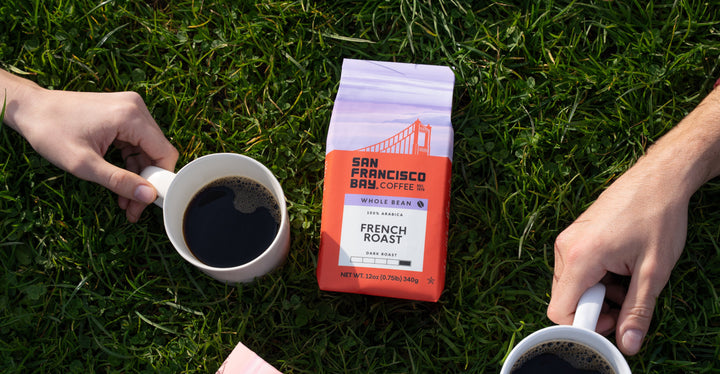
-
Spotlight on the Best Ground Coffee
San Francisco Bay Coffee offers a variety of exceptional ground coffees, each with its own unique flavor profile. Whether you prefer a bold roast or a smoother blend, there's something for every coffee lover. French Roast French Roast is a bold, dark roast that packs a punch. Its rich, smoky flavor is perfect for those who enjoy a strong, robust coffee. This blend is carefully crafted to showcase the beans' deepest, most intense flavors, making it a favorite for espresso and French press enthusiasts. The dark roasting process caramelizes the beans, resulting in a coffee that has a deep, complex flavor with hints of chocolate and a slightly burnt taste that dark roast lovers highly appreciate. Decaf French Roast For those who love the boldness of a French Roast but prefer to avoid caffeine, the Decaf French Roast is the perfect choice. It offers the same rich and smoky flavor without the caffeine kick, making it an ideal option for late-night coffee lovers. San Francisco Bay Coffee uses the Swiss Water® Process to decaffeinate beans, ensuring that the full flavor of coffee is retained without using chemicals. This decaffeination method is healthier and maintains the integrity of the coffee's natural flavors, giving it 99.9% less caffeine while also being 100% delicious.. Decaf Gourmet Blend TheDecaf Gourmet Blend combines the best of both worlds: a rich, full-bodied flavor with the smoothness of expert blending. This decaf option is perfect for those who want a high-quality coffee experience without the caffeine. The blend consists of carefully selected beans that provide a balanced flavor profile, with subtle notes of chocolate, toasted almonds, and sweet mandarin oranges, making it a versatile coffee that can be enjoyed anytime. Fog Chaser Fog Chaser is designed to cut through the morning fog with its bright, lively flavor. This medium-dark roast combines beans from Central and South America to create a well-balanced coffee with notes of citrus and chocolate. It's perfect for starting your day on a high note. The name "Fog Chase" reflects its invigorating properties, making it an excellent choice for those early mornings when you need a little extra motivation to get going. Hazelnut Creme For a touch of sweetness, Hazelnut Creme is a delightful choice. This blend features hazelnuts' smooth, creamy taste, perfectly balanced with a rich coffee base. It's a wonderful dessert coffee or a treat for any time of the day. The natural hazelnut flavoring adds a nutty sweetness that pairs beautifully with the coffee's inherent richness, creating a harmonious and indulgent drink perfect for satisfying your sweet cravings. An Extra Dark Italian roast is for those who crave an intensely dark, robust coffee. This blend is perfectly roasted, bringing out deep, rich flavors with a slightly smoky finish. It's an excellent choice for those who enjoy a strong, bold coffee experience. The intense roasting process enhances the coffee's natural oils, giving it a glossy appearance and a deep, full-bodied, intense, and satisfying flavor. This roast is particularly popular among those who enjoy espresso or strong, black coffee. Breakfast Blend Start your day right with Breakfast Blend. This light to medium roast is smooth and balanced, with a gentle flavor perfect for the morning. It combines beans from Central and South America to create a harmonious cup to brighten your day. Breakfast Blend is designed to be easy-drinking, with a mild acidity and a smooth, clean finish that makes it ideal for pairing with breakfast foods or enjoying on its own as a gentle wake-up call. 100% Colombian 100% Colombian coffee is known for its bright, vibrant flavor and smooth finish. Sourced from the high-altitude regions of Antioquia, Colombia, this coffee offers a rich, full-bodied taste with notes of warming caramel and a hint of citrus. It's perfect for those who appreciate a well-rounded cup. The high-altitude growing conditions in Colombia produce dense and flavorful beans, resulting in a coffee that is both aromatic and delicious, with a balanced acidity that makes it versatile and enjoyable. Find Your Favorite Ground Coffee at San Francisco Bay Coffee San Francisco Bay Coffee offers a diverse range of ground coffees to suit all tastes and preferences. Shop SF Bay Coffee to explore these popular options and discover your new favorite coffee today.
Read article
-
Beyond Black Coffee: How to Enjoy Espresso and Coffee Without Milk
For those looking to avoid dairy milk alternatives, there's a world of flavorful coffee experiences waiting to be discovered. From the straightforward allure of black coffee to the unique international concoctions that forego milk, coffee without milk can be just as exciting and complex. This guide explores what it means to enjoy black coffee and offers a plethora of ideas for savoring espresso and coffee without milk. What is black coffee? The term "black coffee" typically refers to coffee that is brewed without the addition of milk, cream, or any added flavorings. While some may assume black coffee is simply coffee that hasn't been lightened, the descriptor extends to any coffee-based drink that maintains the purity of the coffee beans' flavor. Does espresso without milk count as black coffee? Absolutely. Espresso, known for its concentrated form and rich flavor profile, is a popular choice for those who prefer their coffee black. There are numerous viewpoints on what makes a "true" black coffee, from those who advocate for straight, unadulterated brews to those who appreciate a touch of flavor enhancement through spices or brewing techniques. Each perspective celebrates the diverse ways coffee can be enjoyed, from the classic to the creative. It's a testament to coffee's versatility and the various cultural interpretations of this beloved beverage. 23 No-Milk Coffee Ideas Around the globe, coffee is enjoyed in many unique forms that don't involve milk. Here are some intriguing recipes from all over the world, ranging from traditional to surprising, all of which are definitely worth trying: 1. Cold Brew: Cold brew coffee, which is popular for its smooth flavor, is made by steeping ground coffee in cold water for several hours and then straining it. This method reduces the acidity often found in traditionally brewed coffee. 2. Japanese Iced Coffee: Japanese iced coffee is made by brewing hot coffee directly over ice, which captures all the flavors and aromas in a rapidly cooled format. This method is popular in Japan and among coffee lovers worldwide for its ability to produce a smooth and flavorful iced coffee that retains the nuances of the coffee beans used. 3. Americano: An Americano is a simple yet classic way to enjoy black coffee. It's made by diluting an espresso shot with hot water or ice, which softens the intensity while maintaining the espresso's rich flavors. 4. Aerochino / Aerocano: Using an espresso machine, this method produces an aerated espresso, water, and ice beverage with a foamy top that mimics milk foam. 5. Ristretto: Ristretto is a highly concentrated form of espresso, popular in Italy, made by using less water during the brewing process to extract a richer and more flavorful shot. 6. Corretto: Corretto, a beverage enjoyed in Italy, involves "correcting" an espresso with a splash of grappa, brandy, or sambuca to enhance the coffee's natural flavors with a warming, alcoholic note. 7. Romano: Espresso Romano, which is often ordered in Italy and other parts of Europe, is served with a fresh lemon wedge that helps to highlight the natural citrus notes in the coffee. 8. Cuban Coffee: Cuban coffee, also known as Cafecito, is a staple in Cuba and much of Miami. It involves strongly brewed espresso, which is sweetened with demerara sugar during the brewing process. 9. Ice-Shaken Espresso: Ice-shaken espresso is a refreshing take on traditional espresso, involving espresso that is vigorously shaken with sugar and ice to create a frothy, chilled beverage. 10. Espresso Martini: The espresso martini is an elegant and fun cocktail that blends vodka and Kahlua with espresso. It's shaken until frothy and typically garnished with coffee beans, making it a favorite in cocktail bars worldwide. 11. Espresso Tonic: Espresso tonic, a refreshing beverage, consists of espresso poured over tonic water with a garnish of lime or orange, adding a zesty twist to the rich espresso base. 12. El Tropi Brew: This refreshing drink, known as El Tropi Brew, combines cold brew with lime, sugar, and mint for a refreshing twist, making it a perfect beverage for warm weather. 13. Mazagran: Mazagran, a cold coffee drink from Portugal, is typically mixed with lemon and sometimes a splash of rum, offering a refreshing and slightly spirited option to traditional coffee. 14. Cold Brew Shandy: A cold brew shandy is a delightful summer drink made by mixing cold brew coffee with lemonade, resulting in a refreshing and tangy beverage that is perfect for hot days. 15. Ginger Beer and Espresso: This unique combination pairs the sharpness and spice of ginger beer with the deep, robust flavors of espresso, creating a drink that is as surprising as it is invigorating. 16. Coca-Cola and Coffee: This mix of Coca-Cola and coffee combines the sweet caramel notes of cola with the bold flavors of coffee, providing a caffeine kick with a distinct flavor profile. 17. Root Beer and Espresso: Blending the unique sassafras flavor of root beer with the strong, rich taste of espresso results in an inventive and enjoyable drink that challenges traditional coffee flavors. 18. Coffee Kombucha: Coffee kombucha merges the tangy, fermented flavors of kombucha with the bold, robust taste of coffee, creating a complex flavor profile that is both unique and refreshing. 19. Vietnamese Egg Coffee: Originating from Vietnam, this coffee is uniquely prepared by topping brewed coffee with a creamy, meringue-like mixture of egg yolks and sugar, creating a rich and decadent drink. 20. Arabic Coffee: Popular in the Arabian Peninsula, Arabic coffee is a traditional brew often flavored with cardamom and cloves, providing a spicy and aromatic profile that is distinctively Middle Eastern. 21. Turkish Coffee: Turkish coffee is a method of coffee preparation where finely ground coffee is brewed with sugar and often cardamom in a cezve, a special pot used to make this strong and flavorful coffee that is popular throughout Turkey and the surrounding regions. 22. Moroccan Orange Blossom Coffee: This aromatic coffee, popular in Morocco, is spiced with cinnamon and enhanced with a hint of orange blossom water, offering a fragrant and slightly sweet drinking experience. 23. Cafe Voltaire: Cafe Voltaire combines coffee with a hint of cocoa powder, providing a rich, chocolaty background to the robust coffee flavor, and is enjoyed by those who appreciate a sweeter, more dessert-like coffee experience. Browse San Francisco Bay Coffee Options Whether you're looking to indulge in the rich flavors of a classic roast or experiment with something new, our selection offers something for every coffee lover. To explore more coffee guides and inspiration, visit our blog. To discover more delicious coffee, shop San Francisco Bay Coffee today!
Read article
-
Behind the Scenes: The Journey of a Coffee Bean from Farm to Cup
Coffee isn’t just a popular beverage; it is a way of life for millions around the globe. Join us as we venture on a detailed journey of a coffee bean from its start on a lush coffee farm to the final aromatic cup savored by coffee lovers. We explore each stage of coffee production to illuminate the intricate processes and dedicated efforts that define the industry and influence every sip you take. Our discussion highlights the complexity and hard work involved in every step of coffee production, from the cultivation of beans to their transformation into the beverages we enjoy. The Origins - Coffee Farming Coffee cultivation is rooted deeply in the equatorial belt of the world, known as the “bean belt,” which spans Latin America, Africa, and Southeast Asia. These regions are optimal for coffee growing due to their stable temperatures around 70°F and abundant rainfall. The high altitudes of places like Colombia, Ethiopia, and Vietnam provide the conditions for growing the finest coffee, rich in complexity and flavor. Coffee plants typically fall into two primary categories: Arabica and Robusta. Arabica beans are known for their sweet, soft taste and higher acidity, contributing to the coffee’s aroma and flavor nuances. Conversely, Robusta beans are bolder and harsher, often yielding a stronger, more assertive cup of coffee with twice the caffeine of Arabica. Farmers are the backbone of the coffee industry, with their daily routines focused on nurturing these plants. They face constant challenges: adapting to the impacts of climate change, which can alter harvest schedules and bean quality; economic pressures from market price fluctuations; the threat of pests and coffee rust; and the ever-increasing need for implementing sustainable farming practices to preserve their environment and crop yields. Harvesting the Coffee The harvesting of coffee is a labor-intensive process that requires precision and skill, particularly when hand-picking is employed. Hand-picking ensures that only the ripest, most perfect cherries are selected, which is crucial for maintaining quality as the sweetness and flavors in the cherry directly impact the coffee’s final taste. Some larger farms use mechanical harvesters, which can expedite the process but may impact the yield due to less selective picking. Once harvested, the coffee cherries undergo various processing methods that significantly affect their flavor. The primary methods include: Wet (or washed) processing, where cherries are de-pulped, and the beans are fermented to remove the mucilage, then washed and dried. This method typically produces coffee with brighter acidity and crisper flavors. Dry (or natural) processing, where cherries are dried in the sun before the beans are milled. This method often imparts sweeter, more complex flavor profiles. Honey (or pulped natural) processing is a hybrid method in which some mucilage is left on the beans during drying, influencing sweetness and body. The fermentation and drying phases are critical as they develop the coffee’s distinctive flavor profiles. Properly managed, these processes prevent defects and prepare the beans for the next stages of their journey. From Bean to Export Post-harvest, coffee beans are milled to remove the husk and then polished, which may enhance their appearance and prepare them for export. Quality control is rigorous at this stage, with beans being graded based on size, density, and color uniformity. Only the highest quality beans make it through to the next phase. Beans are then packaged and prepared for export, navigating a complex global trade network. This stage involves various logistical elements, including transportation and compliance with international trade regulations, which ensure that beans reach their destinations fresh and ready for roasting. As an important oversight body, Enveritas monitors coffee industry practices from bean to export and helps coffee farming communities rise above poverty. The Enveritas Verification measures the use of ethical labor practices, environmental protection, safe and responsible chemical use, social welfare and community development, economic sustainability, and quality assurance and traceability to help ensure that everyone connected in the global coffee community can thrive. Roasting and Grinding Roasting transforms green coffee into the aromatic, rich brown beans sold in stores and used in cafés. This process is crucial as it develops the flavor profiles indicated by the bean’s origin and processing method. Roasters use different roasting profiles to achieve the desired flavors, from light to dark roasts, each affecting the bean’s acidity, body, and flavor notes. Grind size is equally important in brewing the perfect cup of coffee, and it can be done before the beans are packaged or immediately before they are brewed. Fine grinds are typically used for espresso, which requires water to pass quickly through the coffee under pressure, while coarse grinds are ideal for methods like the French press, which involves longer brewing times and less pressure. Brewing and Enjoyment Brewing is the final step in the journey of a coffee bean. Popular methods include drip, espresso, French press, and pour-over, each providing different experiences. Each step – from farming to brewing – plays a critical role in the flavors and quality of the coffee. As coffee lovers, understanding and appreciating these stages can enhance the enjoyment of each cup. Browse San Francisco Bay Coffee Options Next time you sip your coffee, consider the journey those beans have taken from farms to your cup. To explore more coffee guides and inspiration, visit our blog. To discover more delicious coffee, shop San Francisco Bay Coffee today!
Read article
-
The Ultimate Guide to Different Types of Coffee Drinks
The world of coffee encapsulates a diverse range of flavors, techniques, and cultural traditions. Let’s explore the various types of coffee drinks that cater to every taste and preference. Whether you’re looking to expand your coffee knowledge or find your new favorite brew, understanding these different drinks can enhance your coffee experience. Coffee Drinks Explained The vast array of coffee drinks available today is a testament to the bean’s adaptability and enduring popularity across different cultures and culinary traditions. The coffee bean is a versatile ingredient that can be transformed into numerous forms depending on the preparation method, the ratio of coffee to other ingredients, and regional preferences. This diversity is largely driven by varying taste preferences and the desire for personalization in the coffee drinking experience. Drip Coffee Drip coffee is one of the most common brewing methods in the United States. It involves using a machine to pour hot water over ground coffee, which then drips through a filter and into a pot. This method is prized for its hands-off approach and the large quantities it can produce. Pour Over Pour over is a method that involves manually pouring hot water over coffee grounds in a filter. The water drains through the coffee and filters into a mug or carafe. This technique allows the brewer to control the extraction more precisely, resulting in a clean and flavorful cup. French Press A French press, also known as a press pot, brews coffee by steeping ground beans in hot water and then pressing the grounds out. This method captures more of the coffee’s oils and flavors, offering a richer and fuller-bodied cup compared to drip coffee. Cold Brew Cold brew is made by steeping coarsely ground coffee in cold water for several hours, typically overnight. The result is a smooth brew that is less acidic than coffee made with hot water. Iced Coffee Iced coffee is essentially hot brewed coffee that is cooled down and served over ice. Unlike cold brew, iced coffee tends to retain the acidity and flavor profile of its hot-brewed counterpart but with a refreshing coolness. Espresso Espresso is a concentrated form of coffee that is the base for many coffee drinks. It’s made by forcing hot water through very finely ground beans, resulting in a rich, strong brew with a layer of crema on top. Americano An Americano is made by diluting a shot of espresso with hot water, giving it a similar strength to drip coffee but with a different flavor profile due to the espresso’s unique extraction process. Long Black Similar to an Americano, a long black is made by pouring a double shot of espresso over hot water, resulting in a strong yet slightly diluted drink. Cappuccino A cappuccino is a coffee-based drink made with equal parts espresso, steamed milk, and frothed milk. It’s creamy, delicious, and often served with a dash of cocoa powder or cinnamon. Latté Similar to a cappuccino, a latté consists of espresso with more steamed milk and a light layer of froth. It is creamier than a cappuccino and is popular in coffee shops around the world. Breve A breve is an American variation of a latte, made with steamed half-and-half, giving it a richer, creamier texture. Café au Lait A café au lait is a coffee drink that combines brewed coffee with steamed milk and a light layer of foam. It is milder than a standard latte due to the inclusion of brewed coffee instead of espresso. Macchiato A macchiato is an espresso with a small amount of milk that is usually frothed. It’s stronger than a cappuccino or latte and highlights the espresso’s robust flavor. Flat White Originating from Australia and New Zealand, a flat white is similar to a latté but with a higher proportion of espresso. This drink is characterized by its velvety texture and strong coffee flavor. Cortado A cortado is an espresso with a small amount of warm milk to cut the acidity. The milk in a cortado is not frothy and textured like in many other coffee drinks. Red Eye A red eye is a drip coffee with an added shot of espresso, perfect for those looking for an extra caffeine boost to start their day. Black Eye A black eye is similar to a red eye but contains two shots of espresso, doubling the caffeine and intensifying the flavor. Doppio A doppio is a double shot of espresso served in a demitasse cup. It’s favored by espresso lovers who appreciate a more intense flavor. Vienna A Vienna coffee consists of two shots of espresso topped with whipped cream instead of milk or froth. This traditional Austrian drink is rich and indulgent, offering a delightful contrast between the strong espresso and the light, sweet cream. Affogato An affogato is a simple dessert coffee that features a scoop of vanilla ice cream topped with a shot of hot espresso. It’s a delightful blend of hot and cold. Where To Buy Coffee for Your Favorite Brew To discover delicious coffee in the form of whole beans, grounds, or OneCUP™ pods, shop San Francisco Bay Coffee today!
Read article


